
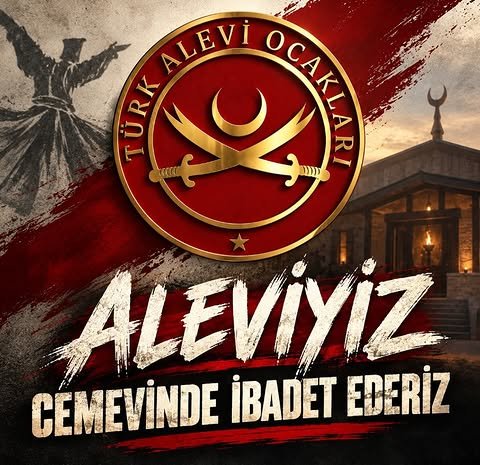
Coming together in the cem gathering also means respecting one another’s rights and feelings.
In the Alevi-Bektashi tradition, cem involves services such as prayer, deyiş devotional songs, semah ritual movement and lokma, the sharing of food. Guidance from a dede or pir, community participation and mutual consent are essential parts of this gathering.
Worship and social responsibility
Cem is not described merely as an individual spiritual act. Resolving grievances, respecting rights and maintaining relationships within the community also belong to the meaning of this ritual.
Türk Alevi Ocakları publications define the cemevi as a place of worship; love for humanity, justice, sharing and solidarity are central to their account of cem.
Different traditions within the spiritual path
The order of services, music and practices of cem can vary between ocaks and regions. A practice found in one region should not be treated as a uniform rule for all Alevi communities.